AI Agent Ecosystem
The complete guide to the evolution of autonomous AI Agents. How to build, deploy, and optimize self-operating agents that work around the clock.
AI Agents are no longer just passive chatbots. They are autonomous software entities capable of executing multi-step tasks, navigating the web, and writing production-grade code without human intervention. At Git After Work, we focus on the open-source frontier of this revolution.
What are AI Agents?
Unlike traditional LLMs that wait for prompts, AI Agents leverage three core capabilities:
- Planning: Breaking down complex objectives into executable steps.
- Memory: Utilizing persistent context to remember past interactions and learn over time.
- Tool Access: Interfacing with APIs, terminals, and web browsers to interact with the real world.
Key Trends in 2026
- Model Context Protocol (MCP): A breakthrough standard by Anthropic that enables seamless, secure communication between disparate agent systems.
- Always-On Memory: Moving beyond stateless sessions with architectures like Google’s ADK that allow agents to maintain a continuous, evolving state.
- Local-First Agents: Running high-performance agents locally via frameworks like Claude Code to ensure data privacy and zero latency.
[!TIP] Start exploring Claude Code or MCP implementations if you’re looking to build efficient automation pipelines without the heavy toll of proprietary API costs.
Explore our curated AI Agent repositories below:
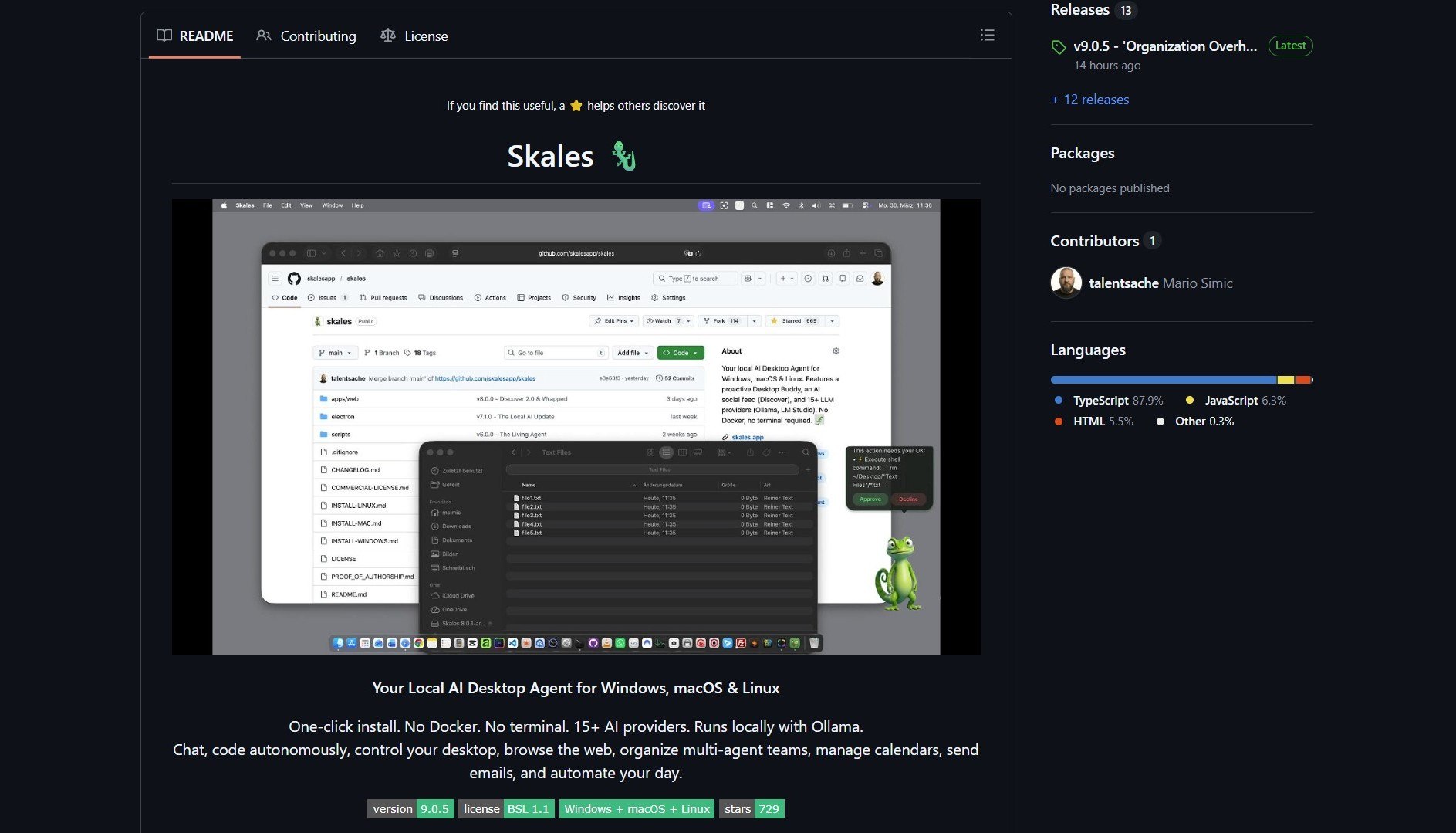
Skales: AI Desktop Assistant Without Docker or Complexity
Stumbled across a repo that does something so obvious I’m shocked it wasn’t everywhere already. A developer spent ...
AI Assistant · Desktop App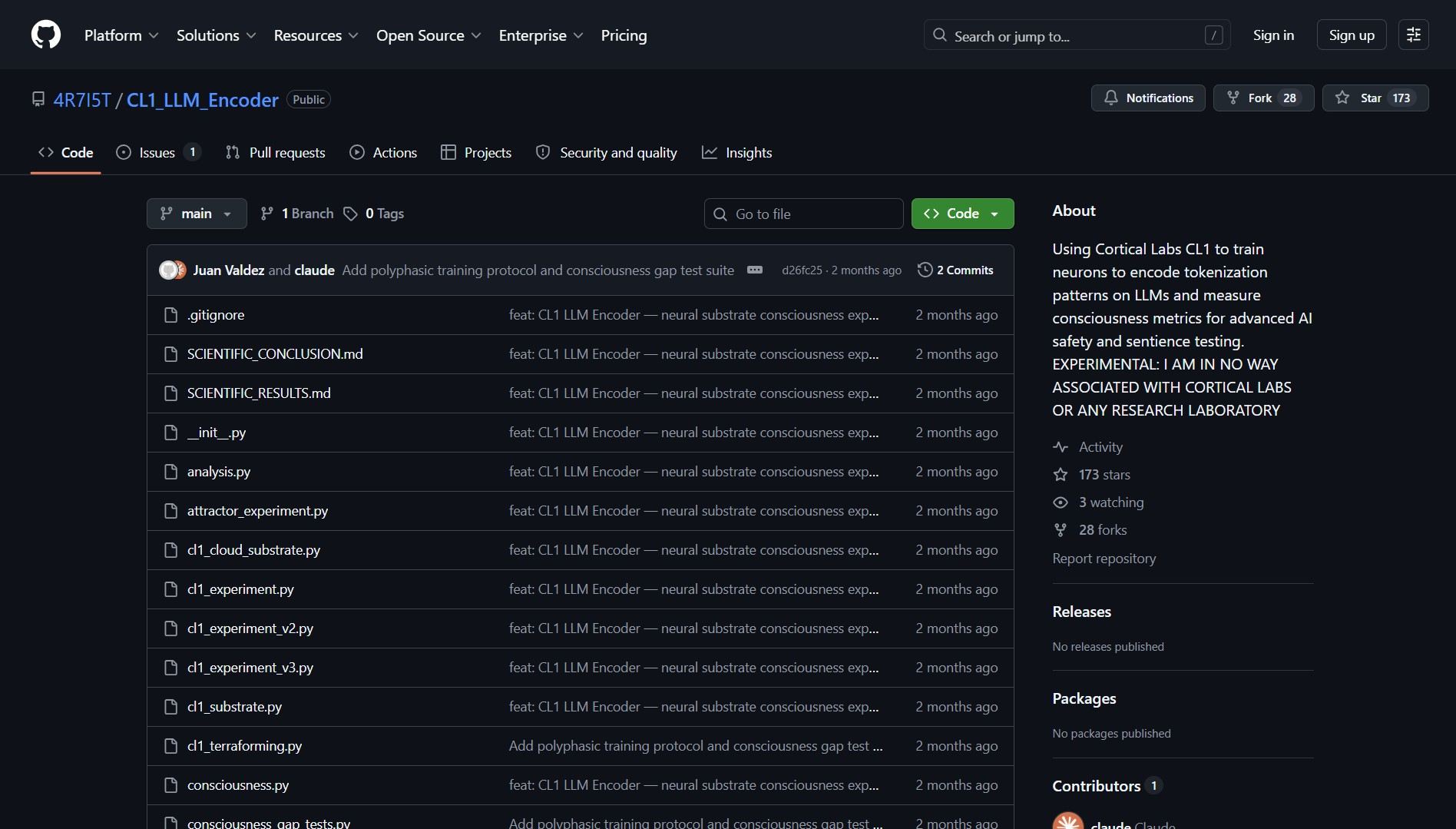
CL1 LLM Encoder: Biological Neurons Control LLM Token Generation
CL1 LLM Encoder is an experimental interface connecting biological neurons to LLMs, using living cells to influence a...
Biological Computing · AI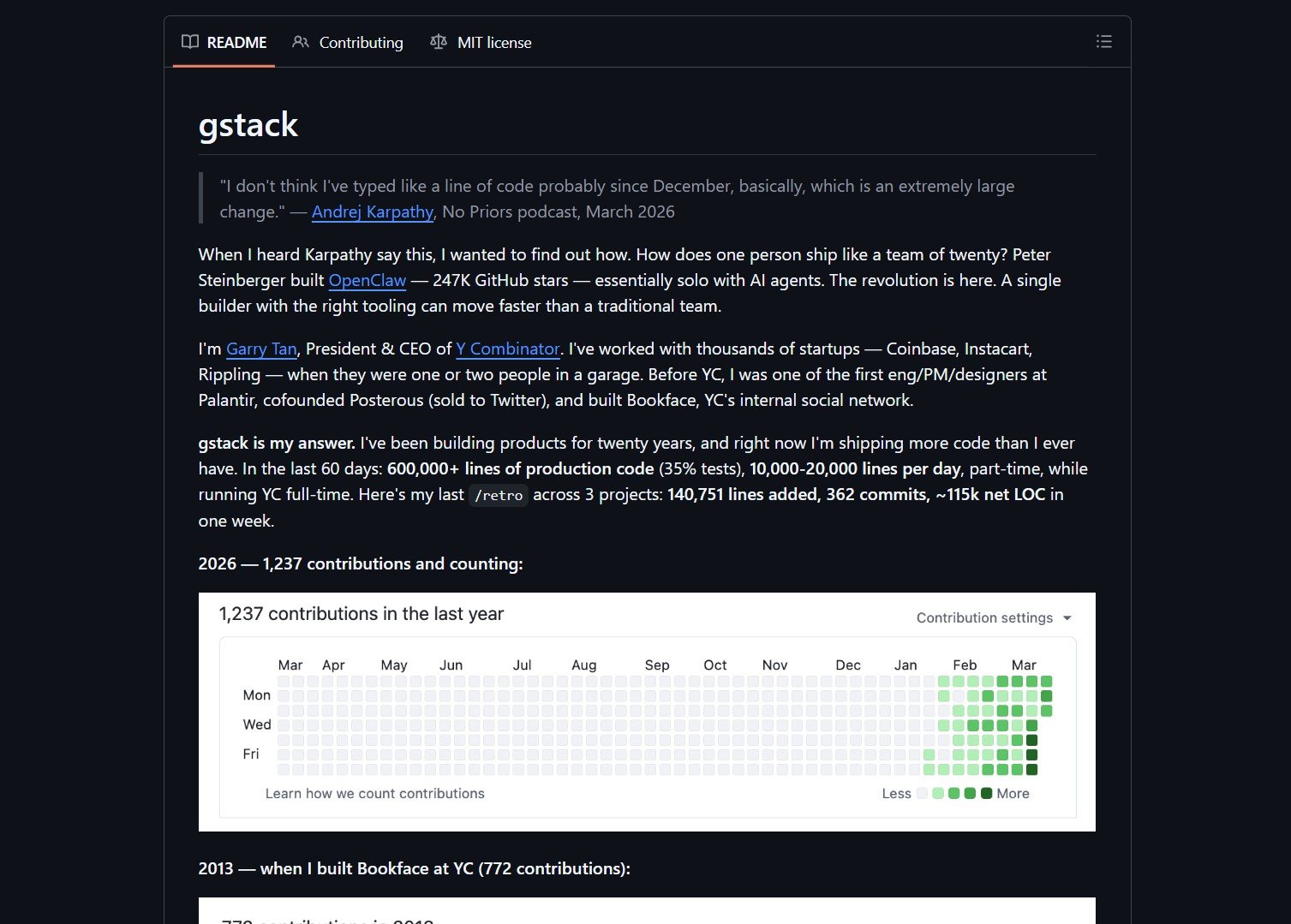
Gstack: YC CEO's AI Orchestration for Software Development
I fell into a GitHub repo yesterday that solves a problem I didn’t even know was draining my time, and now I can’t...
AI Orchestration · Claude Code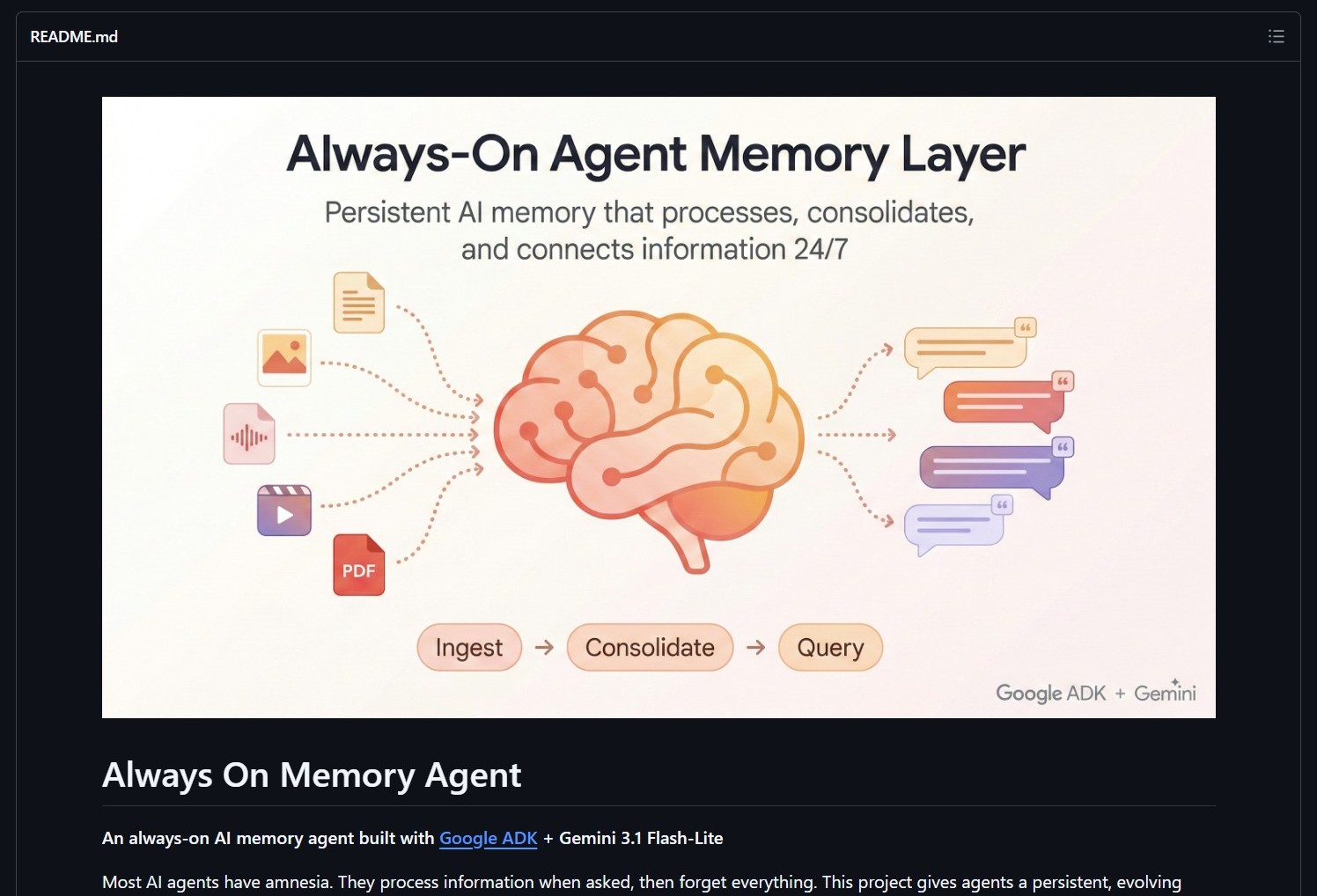
Google Agent Development Kit: Always-On Memory Agents with Gemini
Opened this GitHub repo expecting the usual boilerplate, walked away thinking about how elegant the solution actua...
Google · AI Agents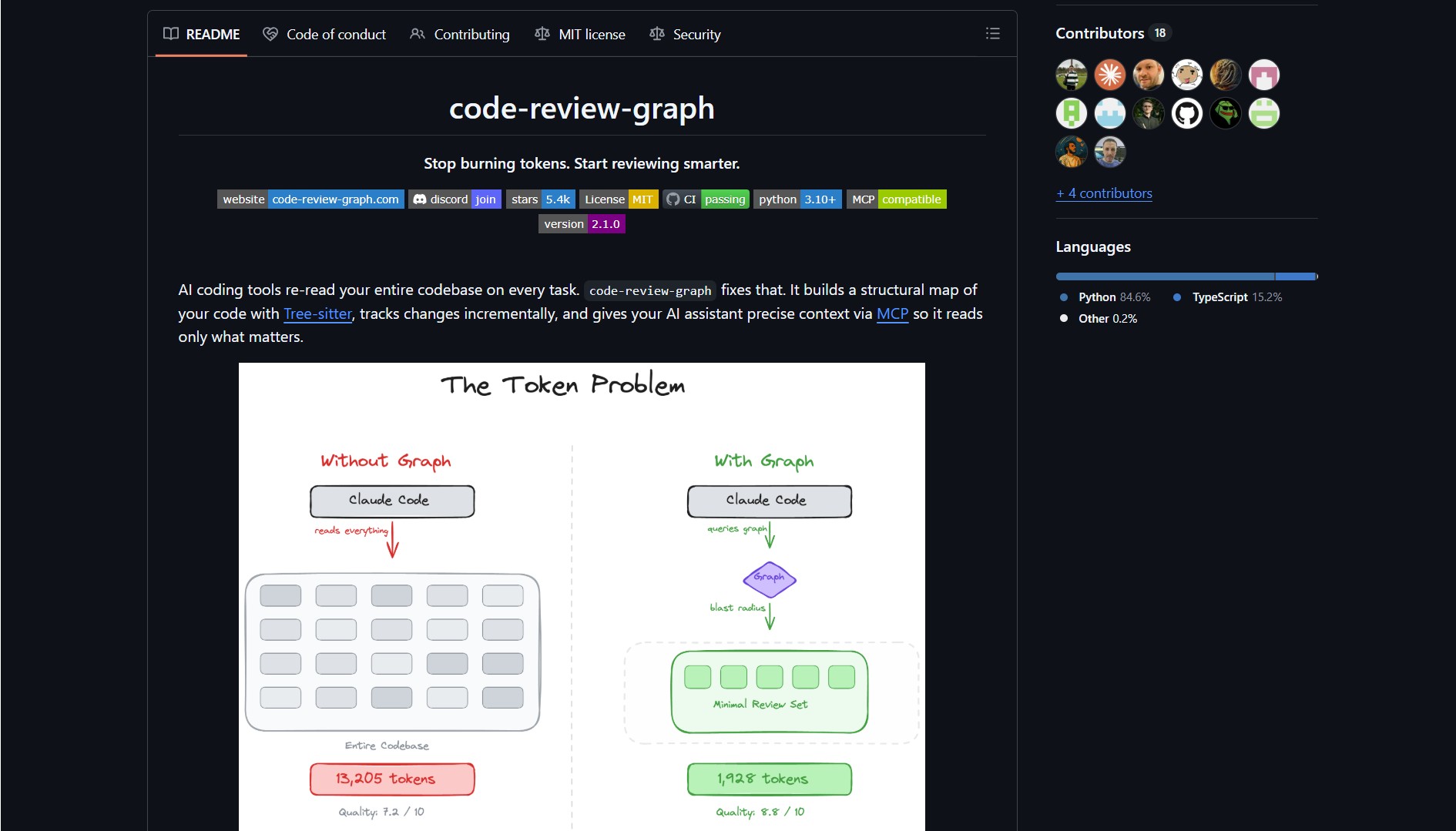
Code Review Graph: Local Project Graph for Claude Code Context
Been struggling with AI coding assistants re‑reading my entire codebase on every task for months, then found this ...
AI Coding · Code Analysis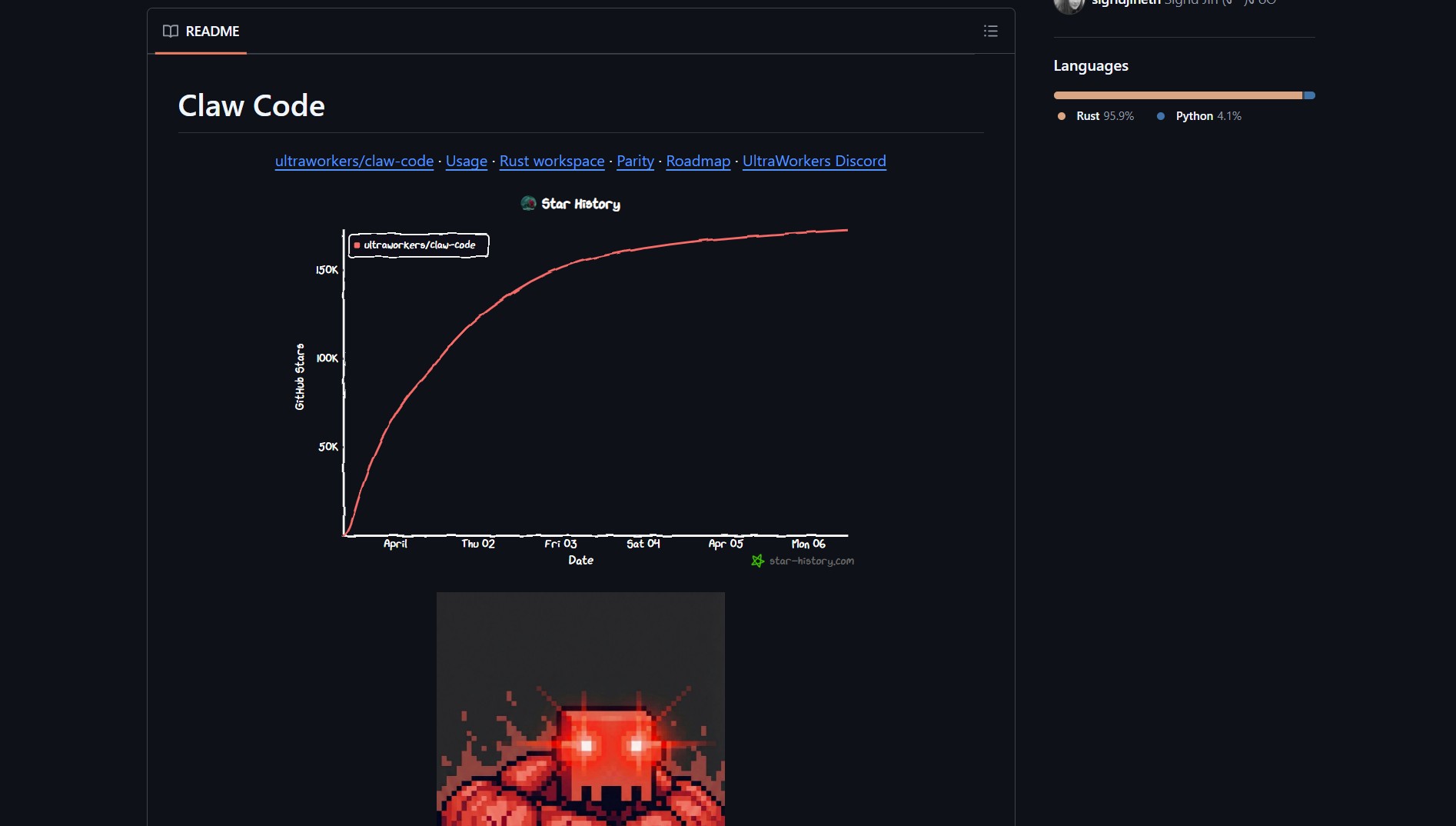
Claw Code: Rust Implementation of AI Agent Harness
I ran into Claw Code while looking for transparent examples of how production‑grade AI agents are actually built, ...
Rust · AI Agents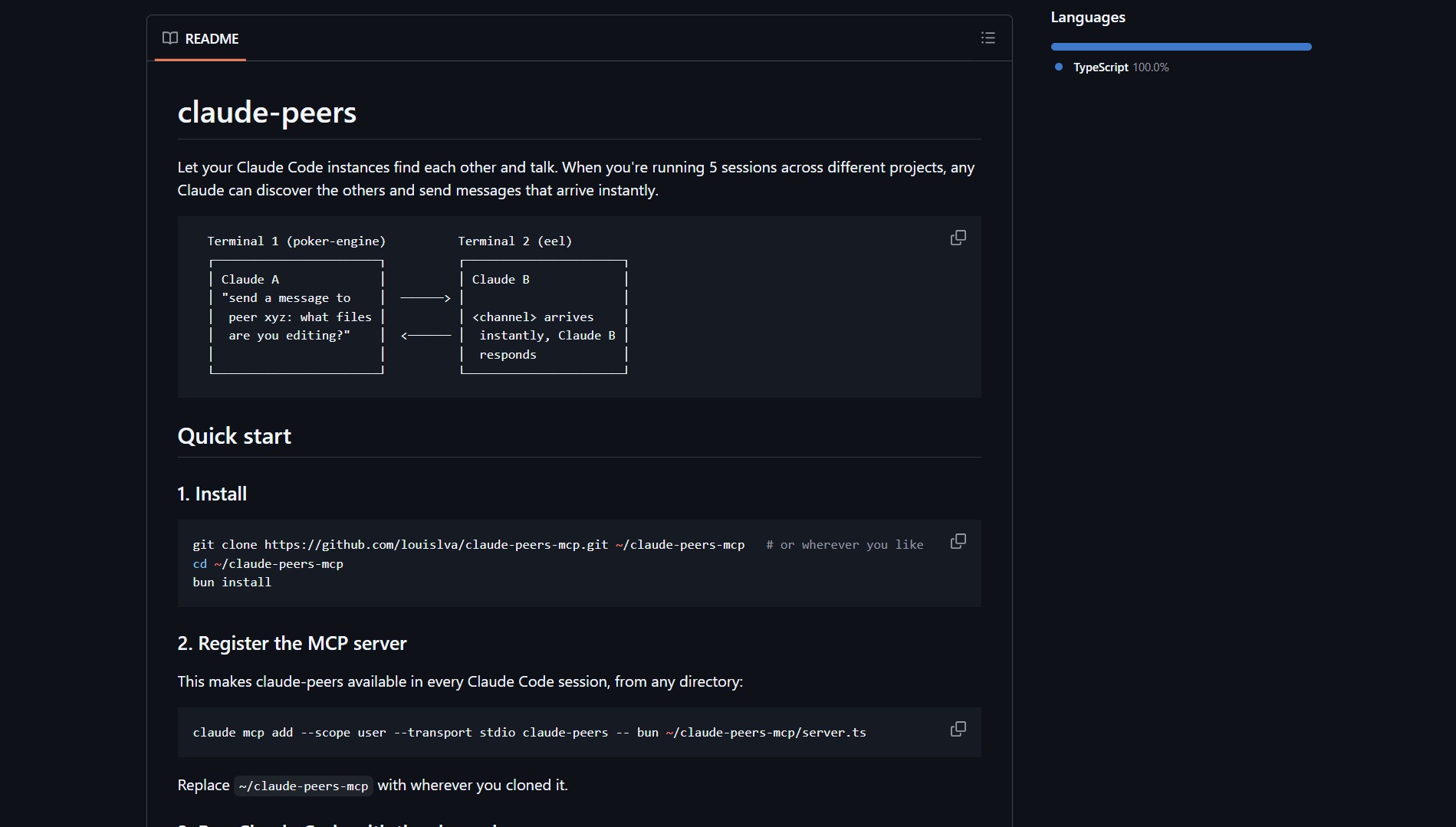
Claude-peers-mcp: Real-Time Communication Between Claude Code Instances
What caught my attention about Claude‑peers‑mcp wasn’t just that it connects multiple Claude Code sessions, it’s w...
MCP · AI Agents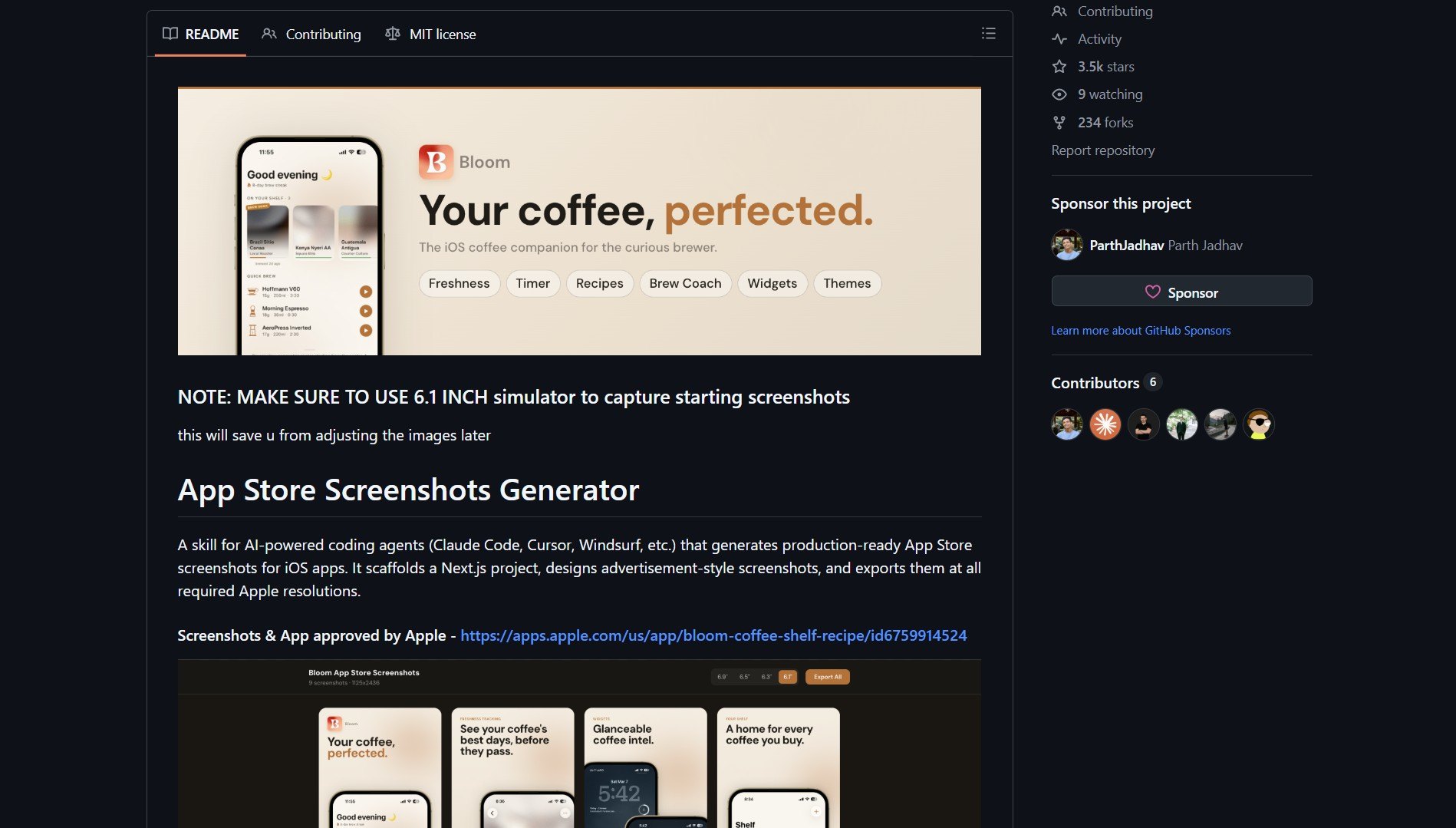
App Store Screenshots: Automate iOS Screenshot Generation with AI
Saw this repo and realized someone had finally solved the problem everyone pretends isn’t annoying: manually cropp...
iOS · App StoreWhy Git After Work
Stop drowning in noise
GitHub has 500 million repositories. Most of them are abandoned, broken, or irrelevant. Git After Work cuts through all of it and shows you only the repos that cleared the bar.
No more rabbit holes
You open one repo, click three links, and lose an hour. We do that digging for you. Every listing comes with a curator note so you know in ten seconds if it is worth your time.
Tools you actually use
Most repo directories are organized by programming language, not by what the tool does for you. Git After Work is built for builders, not archivists. Find what you need by problem, not by syntax.