Local AI & Performance Optimization
Run massive AI models on your own hardware. Deep dives into Metal shaders, Apple Silicon optimization, and memory streaming for edge-inference efficiency.
AI isn’t just for massive data centers. With the right optimization, you can now run 400B parameter models on a consumer laptop. We track the latest breakthroughs in Local AI performance and hardware-aware inference.
Why Run AI Locally?
- Privacy: Your proprietary code and sensitive data never leave your local machine.
- Zero Ingress/Egress Costs: No moon-high API bills or token-based pricing.
- Low Latency: Instant inference without network overhead, crucial for real-time coding assistants.
Technical Focus Areas
Apple Silicon & Metal Shaders
Unlocking the full potential of M1, M2, and M3 chips. Projects like Flash-moe prove that Apple’s Unified Memory architecture is a powerhouse for streaming Mixture-of-Experts (MoE) models directly from SSD to GPU.
Intelligent Memory Hierarchy
Novel techniques that allow for running models far larger than the physical RAM available. By leveraging fast SSD bandwidth and per-layer activation, indie devs can now run world-class models without server racks.
CLI-First AI Tools
Lightweight, terminal-native tools that integrate AI directly into your hotswapping dev cycles without the bloat of Electron-based wrappers.
[!NOTE] Running local AI demands specific hardware profiles (especially VRAM/Unified Memory), but modern memory-streaming techniques are rapidly lowering the barrier to entry.
Explore the latest in high-performance local AI:
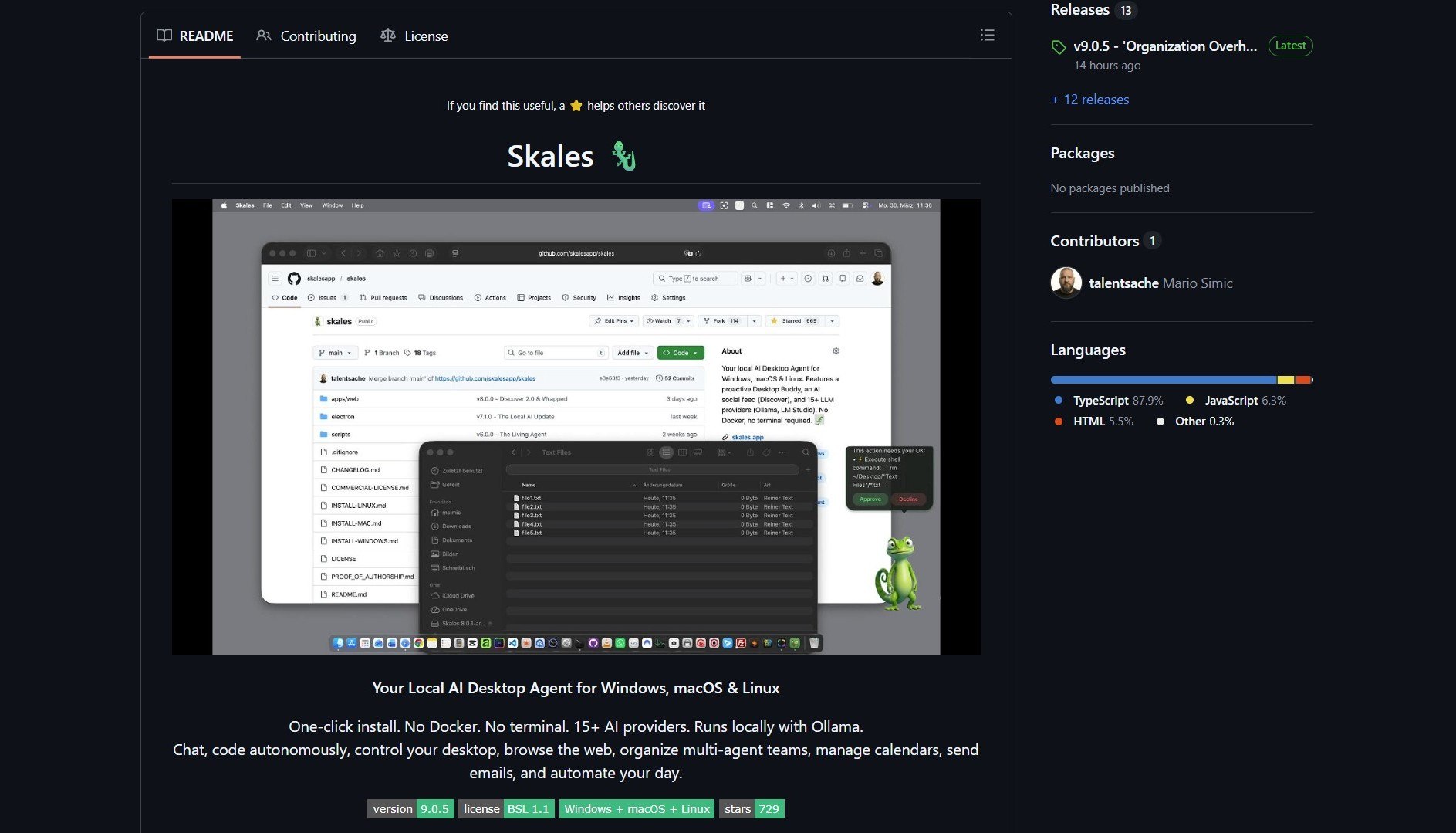
Skales: AI Desktop Assistant Without Docker or Complexity
Stumbled across a repo that does something so obvious I’m shocked it wasn’t everywhere already. A developer spent ...
AI Assistant · Desktop App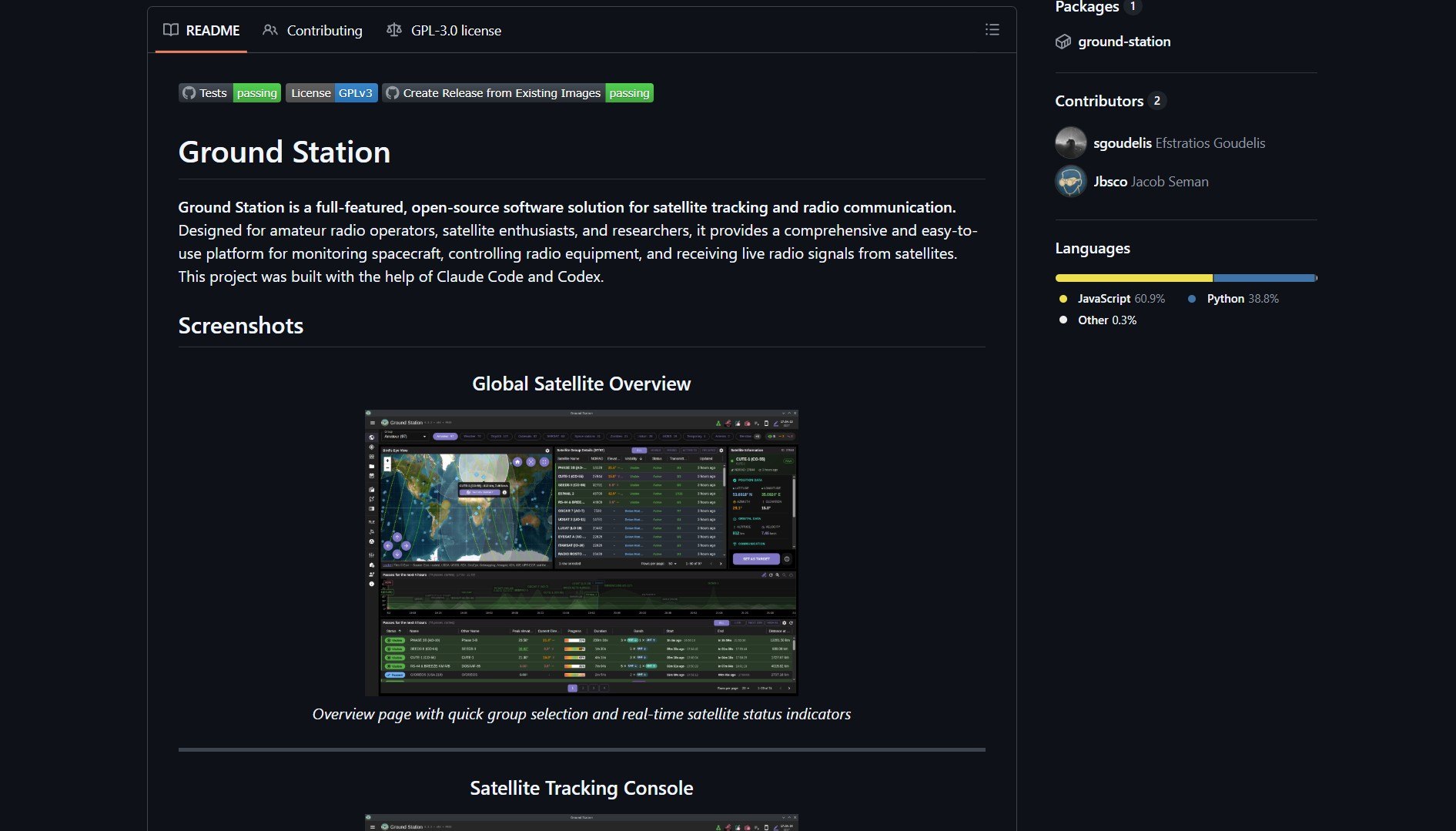
Ground Station: Open Source Satellite Tracking and Signal Decoding
Ground Station is a unified, open‑source suite for satellite tracking and signal decoding, allowing users to pull wea...
Satellite · Open Source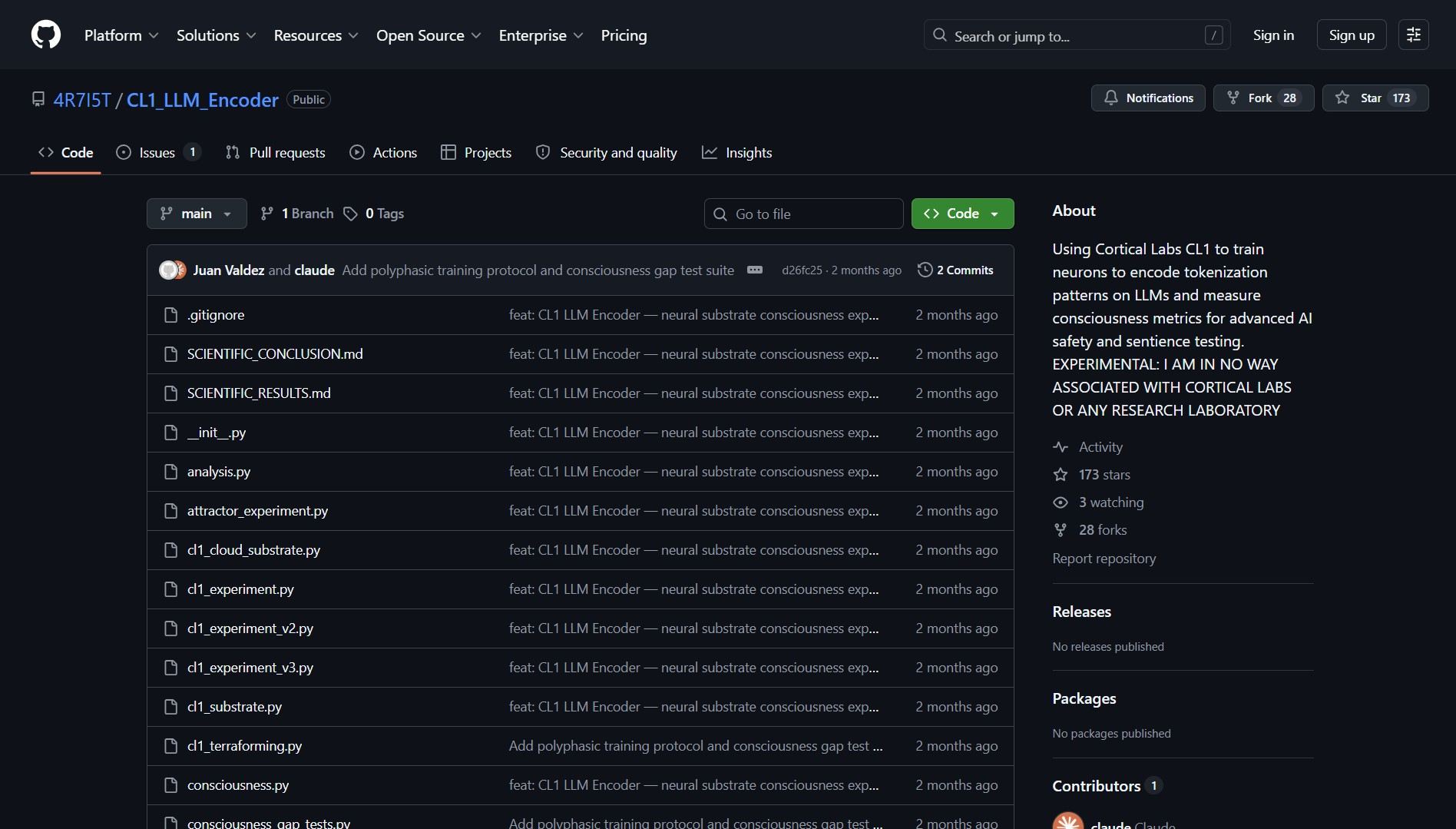
CL1 LLM Encoder: Biological Neurons Control LLM Token Generation
CL1 LLM Encoder is an experimental interface connecting biological neurons to LLMs, using living cells to influence a...
Biological Computing · AI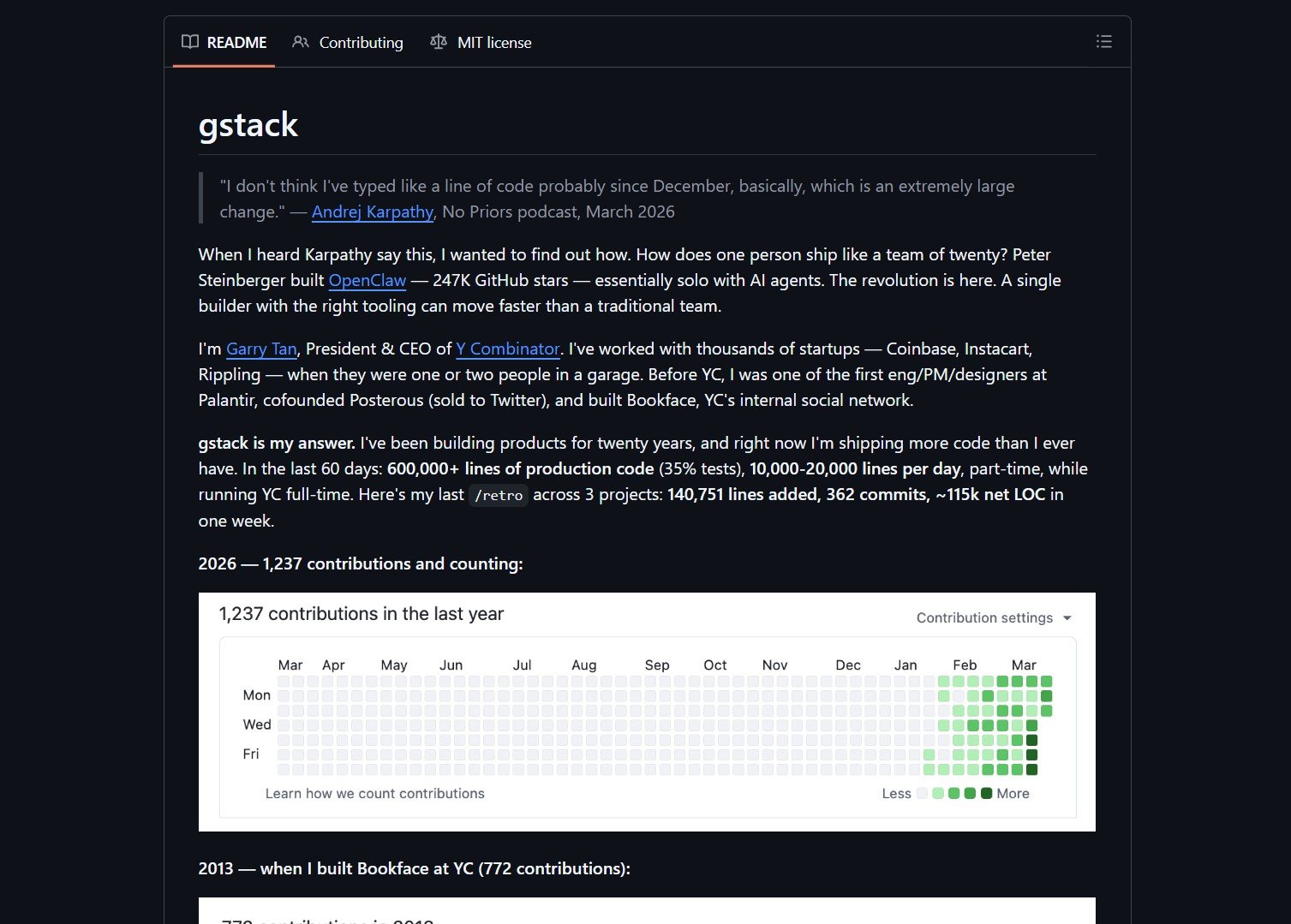
Gstack: YC CEO's AI Orchestration for Software Development
I fell into a GitHub repo yesterday that solves a problem I didn’t even know was draining my time, and now I can’t...
AI Orchestration · Claude Code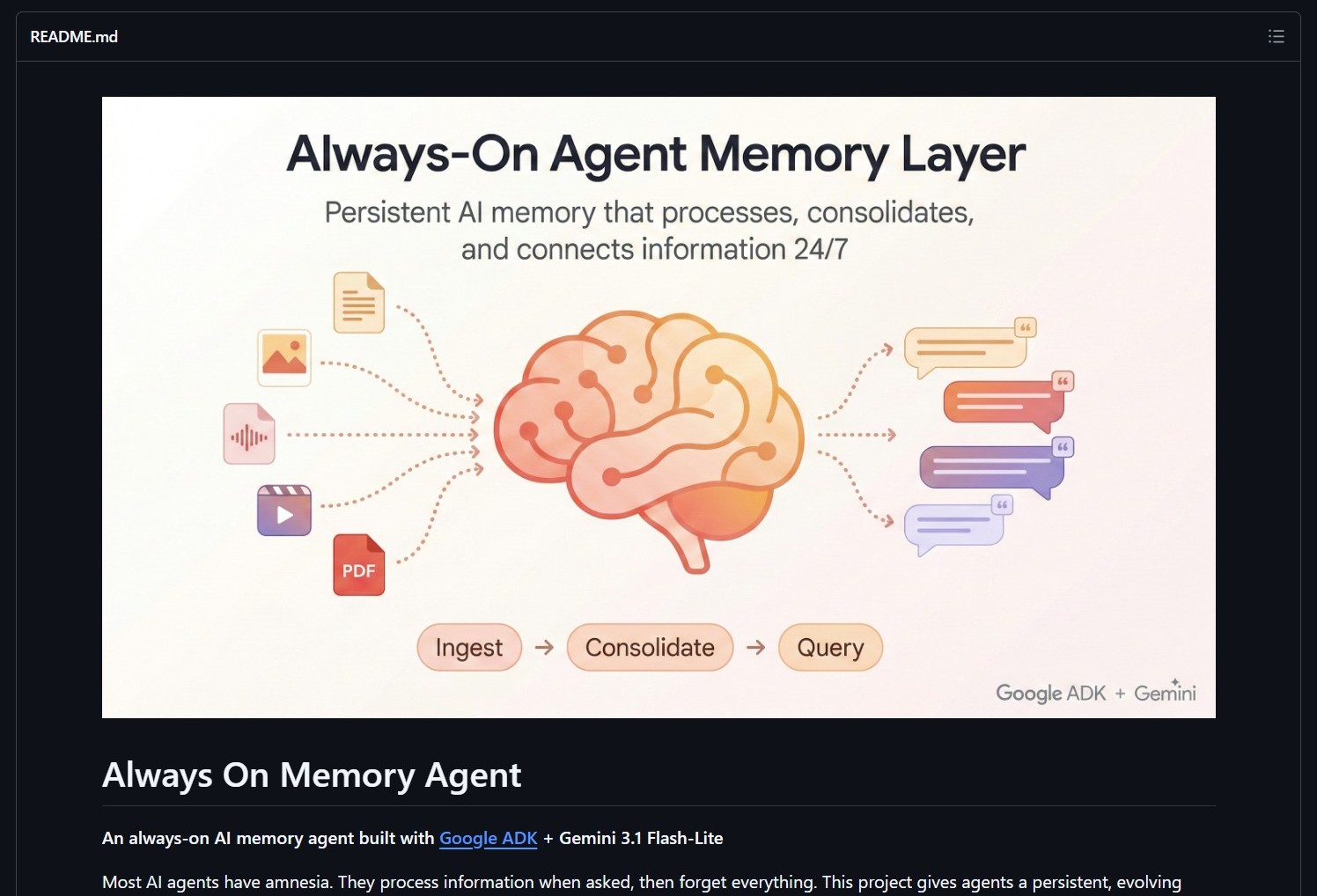
Google Agent Development Kit: Always-On Memory Agents with Gemini
Opened this GitHub repo expecting the usual boilerplate, walked away thinking about how elegant the solution actua...
Google · AI Agents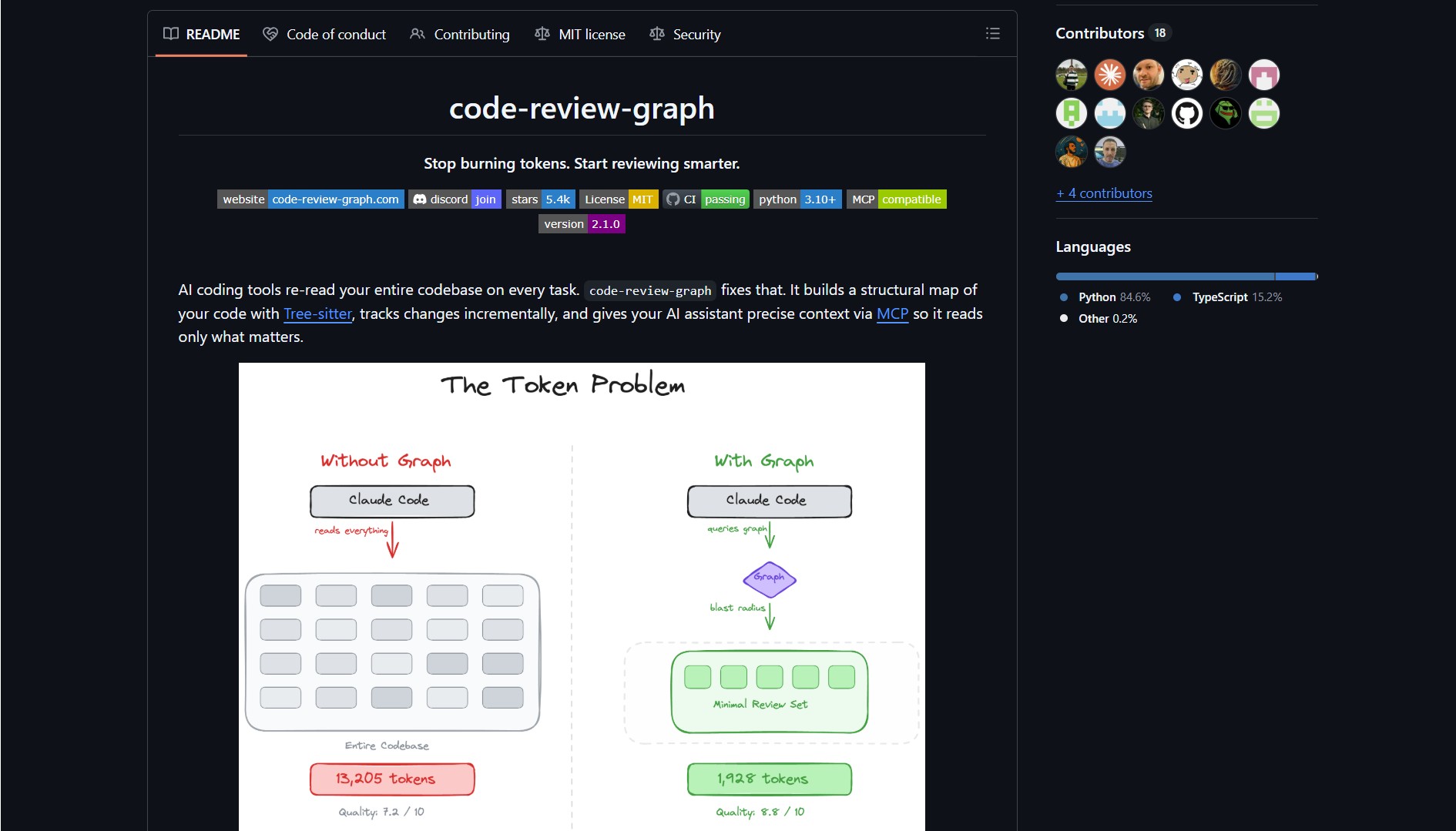
Code Review Graph: Local Project Graph for Claude Code Context
Been struggling with AI coding assistants re‑reading my entire codebase on every task for months, then found this ...
AI Coding · Code Analysis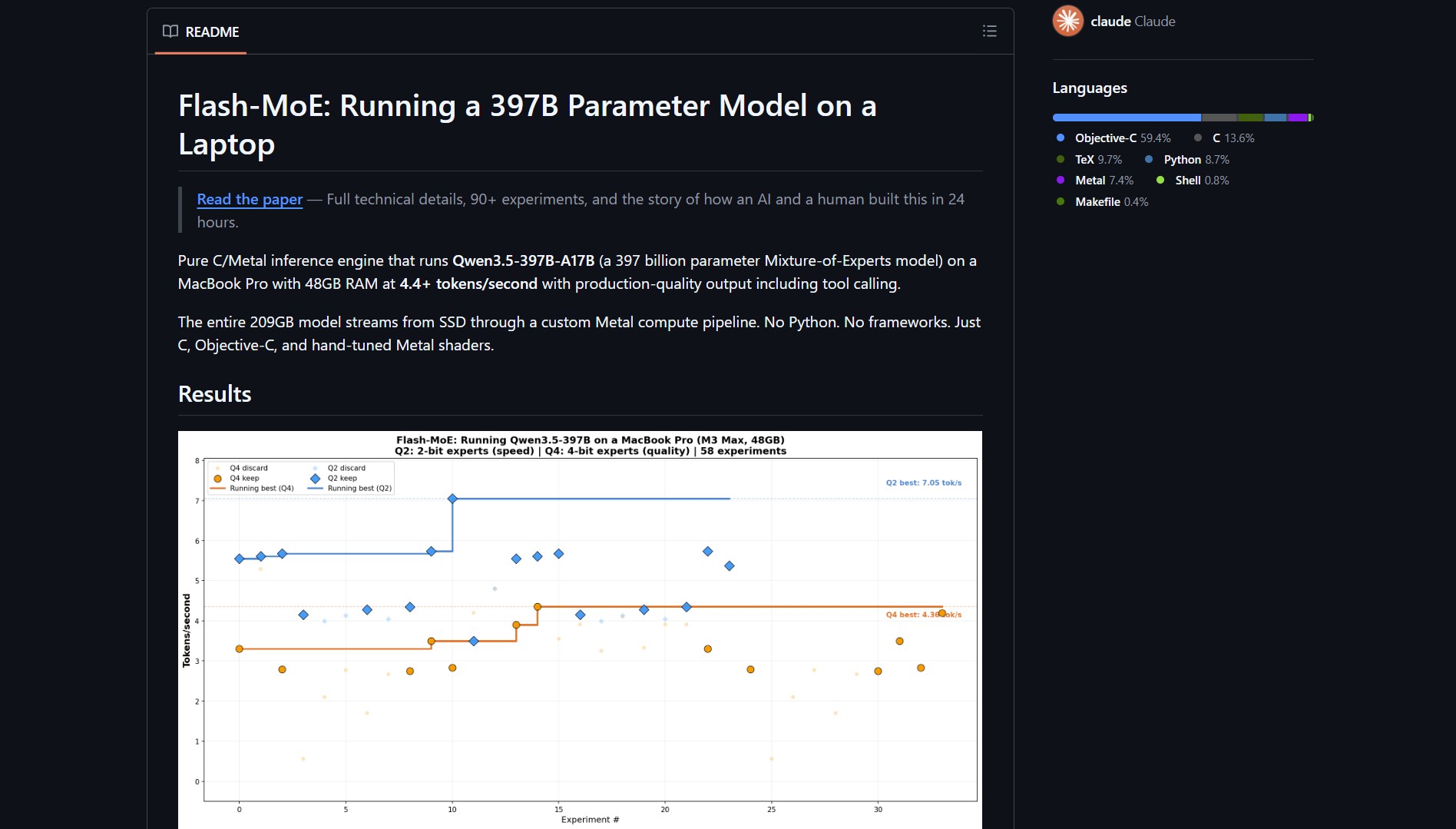
Flash-moe: Stream 397B MoE Models from SSD on MacBook Pro
What made me stop scrolling: flash‑moe runs a 400‑billion parameter model on a MacBook Pro by streaming weights fr...
Local AI · Apple Silicon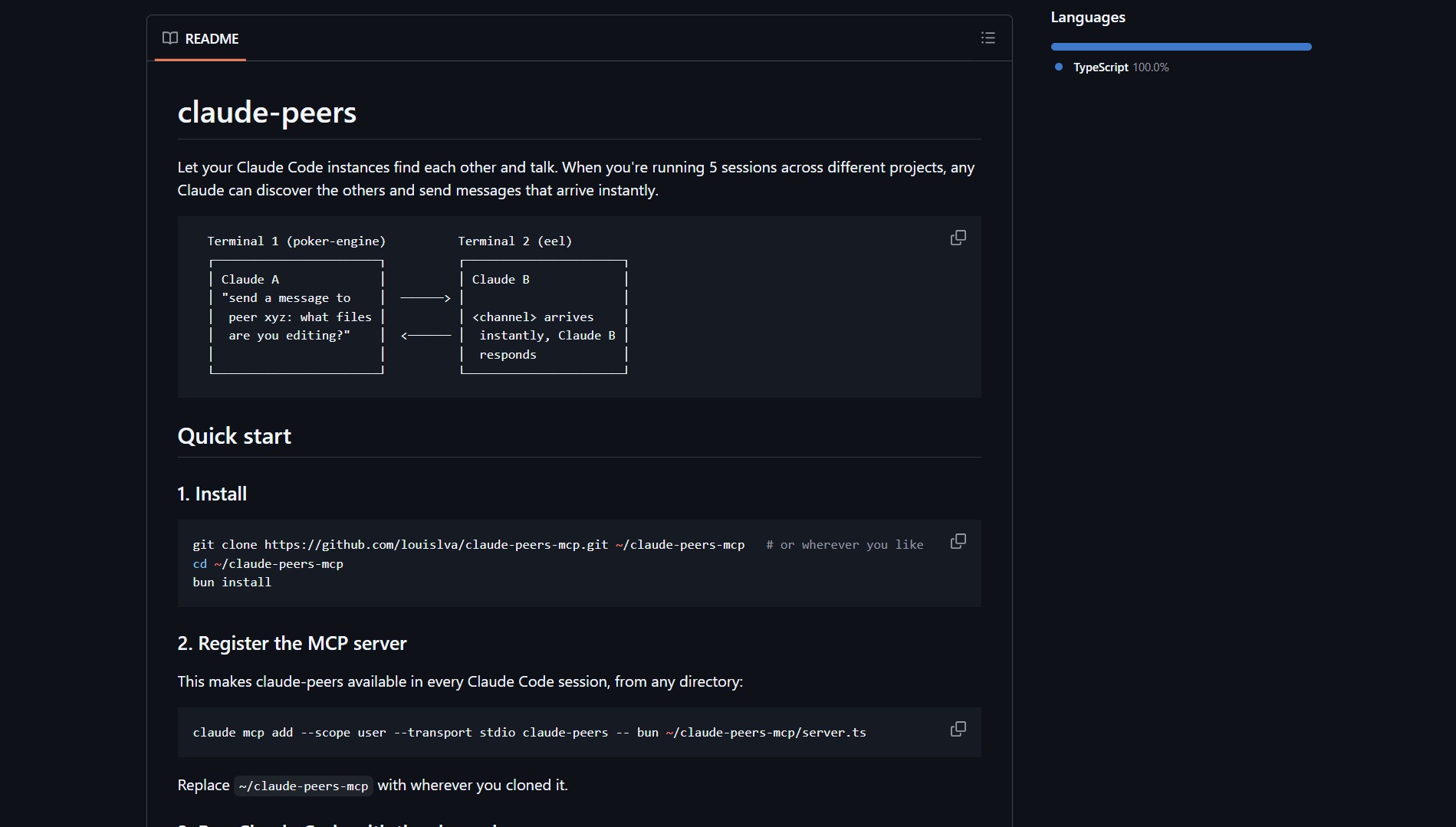
Claude-peers-mcp: Real-Time Communication Between Claude Code Instances
What caught my attention about Claude‑peers‑mcp wasn’t just that it connects multiple Claude Code sessions, it’s w...
MCP · AI Agents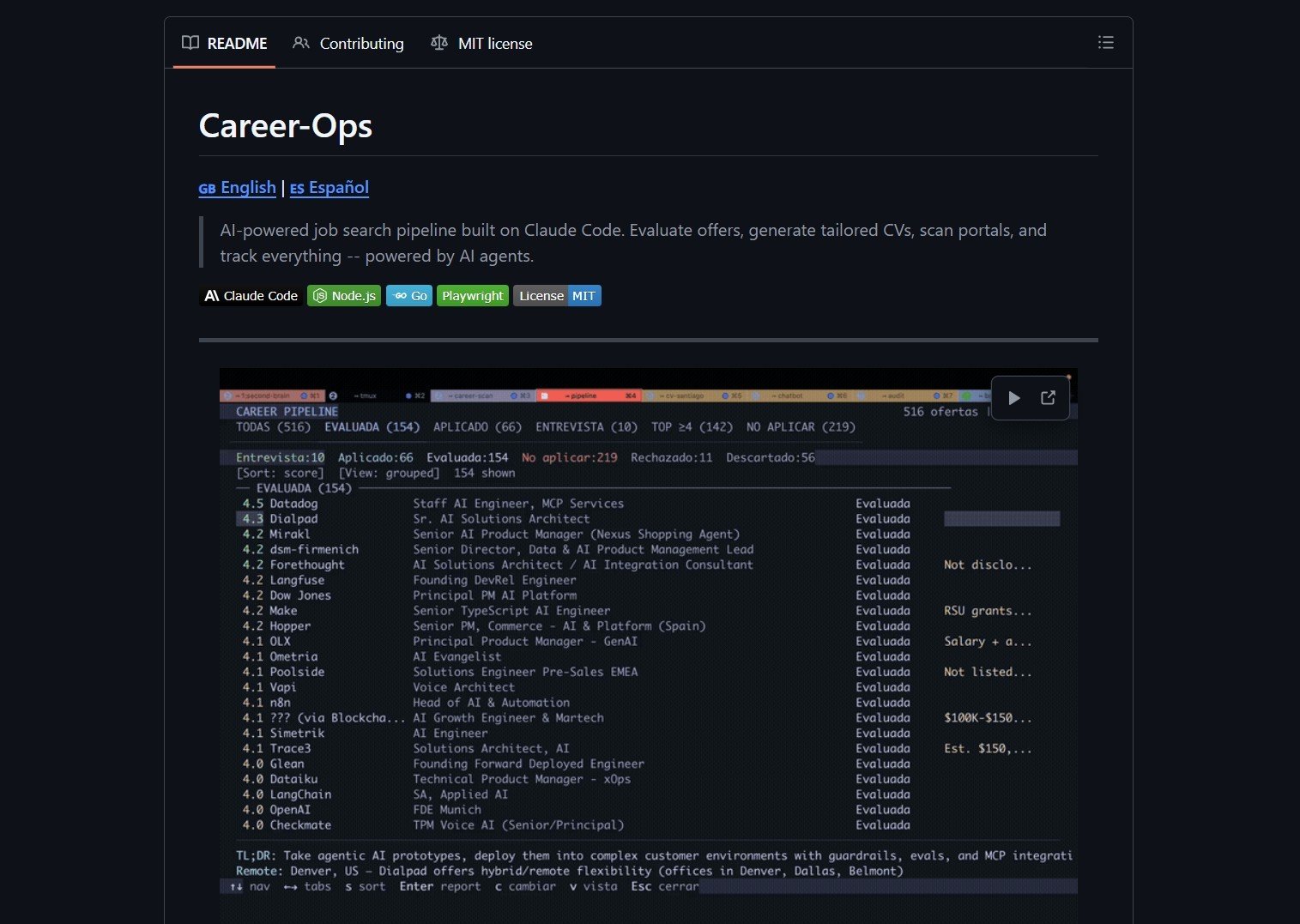
Career-Ops: AI-Powered Job Search Command Center
I ran into Career-Ops while browsing GitHub for job search automation tools, and what caught my attention was its ...
Job Search · Automation
Arnis: Turn Real-World Locations into Playable Minecraft Maps
Saw this repo and realized someone had finally solved the problem everyone pretends isn’t annoying: manually recre...
Minecraft · OpenStreetMap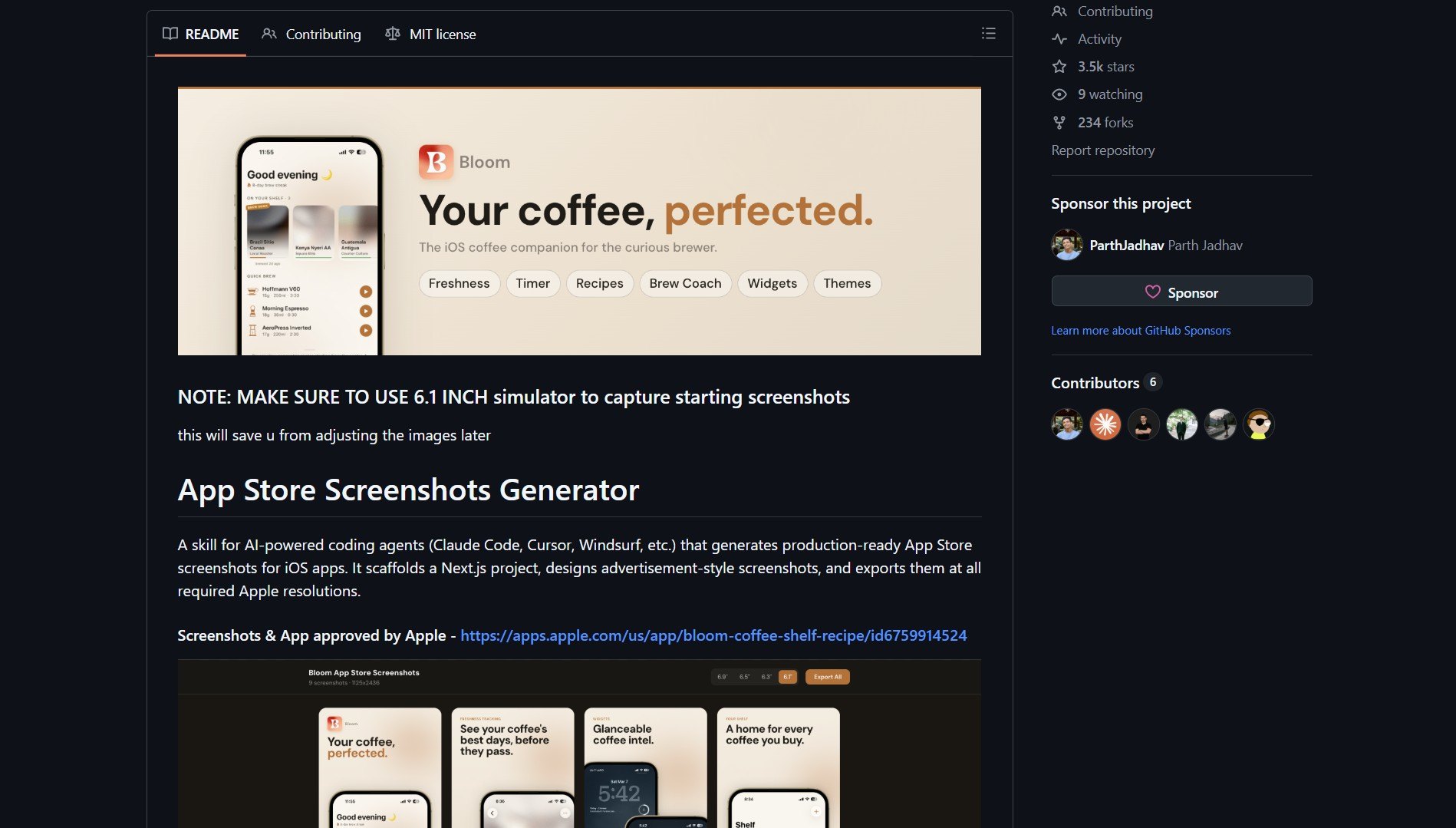
App Store Screenshots: Automate iOS Screenshot Generation with AI
Saw this repo and realized someone had finally solved the problem everyone pretends isn’t annoying: manually cropp...
iOS · App Store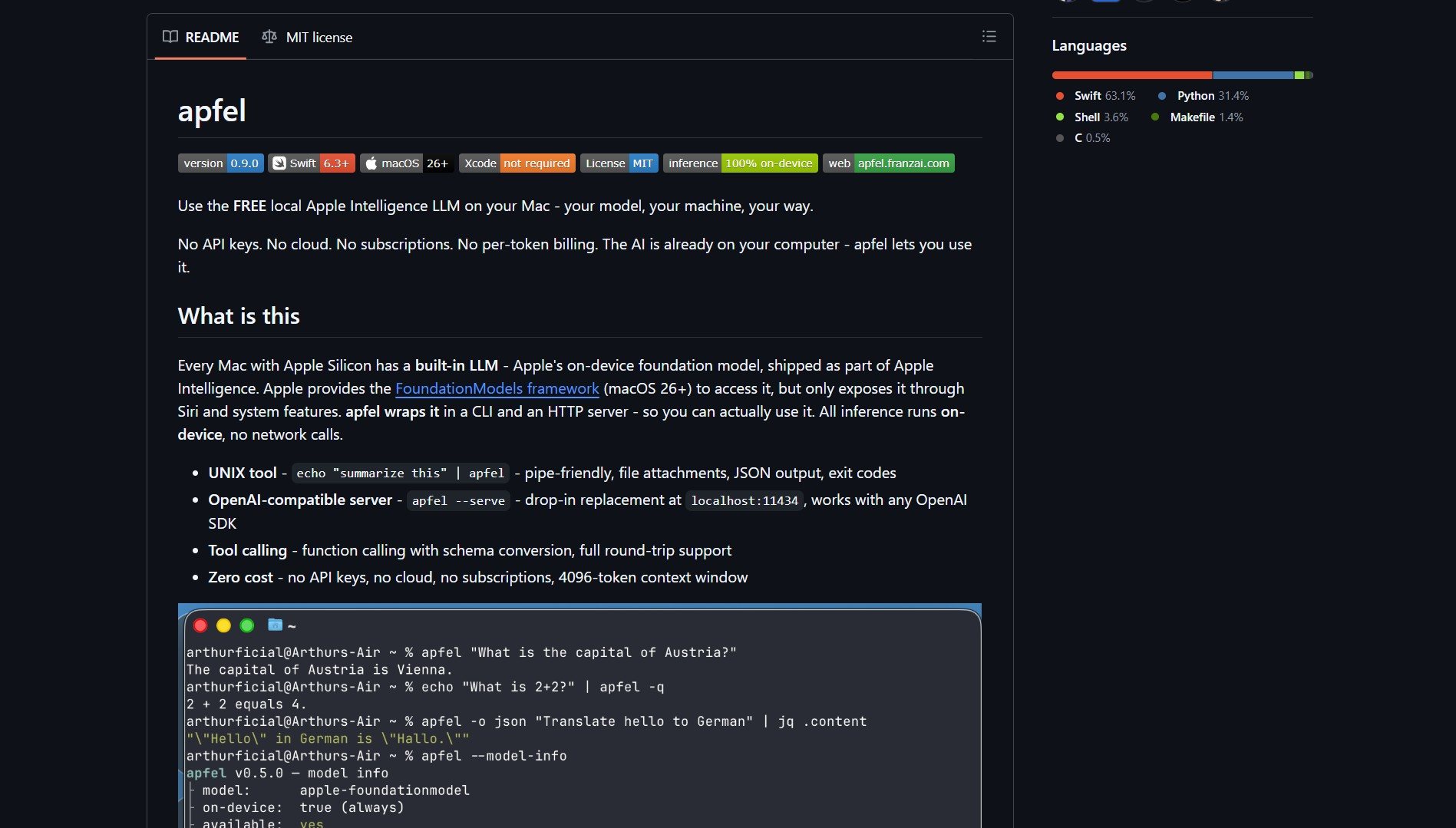
Apfel: Unlock Apple's On-Device Language Model
I ran into Apfel while browsing for local AI solutions, and what caught my attention was its premise: your Apple S...
Apple Silicon · Local AIWhy Git After Work
Stop drowning in noise
GitHub has 500 million repositories. Most of them are abandoned, broken, or irrelevant. Git After Work cuts through all of it and shows you only the repos that cleared the bar.
No more rabbit holes
You open one repo, click three links, and lose an hour. We do that digging for you. Every listing comes with a curator note so you know in ten seconds if it is worth your time.
Tools you actually use
Most repo directories are organized by programming language, not by what the tool does for you. Git After Work is built for builders, not archivists. Find what you need by problem, not by syntax.